Solar energy is helping shape a cleaner and more sustainable future by harnessing the power of the sun to generate electricity for everyday use.
As part of its renewable energy efforts, FDC Utilities, Inc. is developing and expanding solar power projects across Mindanao
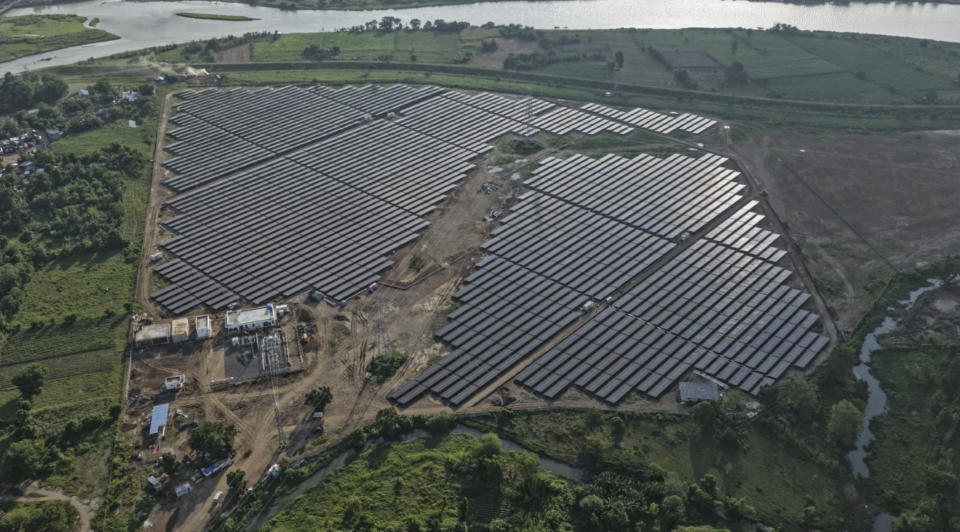
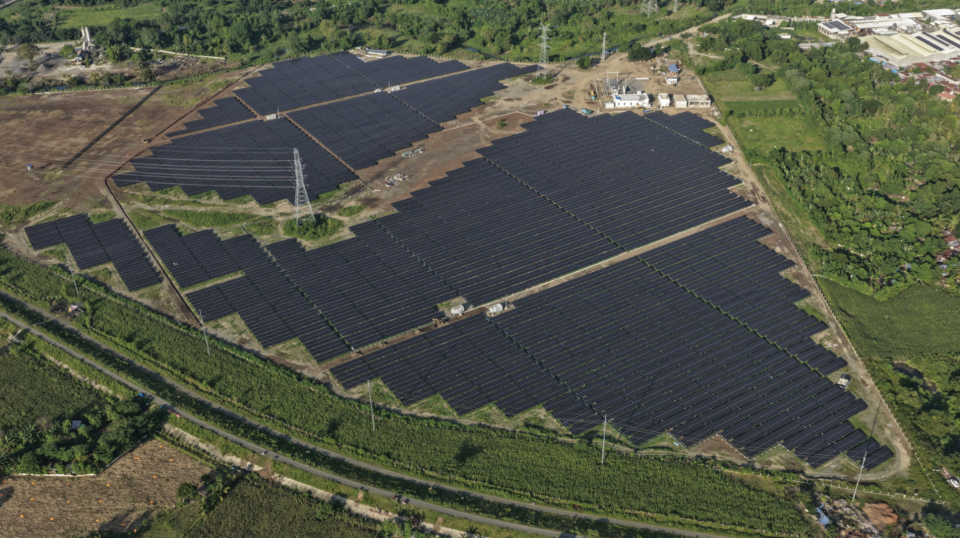
Misamis Solar Power Project, with a capacity of 20.774 MWp, is already completed and operational. Additional projects are underway, including the 20.138 MWp FDC Tantangan Solar Power Project in South Cotabato and the 33 MWp Cotabato Solar Power Project in North Cotabato.
These solar farms span large areas, ranging from 20 to 31 hectares and are made up of tens of thousands of solar panels. For instance, the Misamis solar facility alone uses over 34,000 monocrystalline solar panels to capture sunlight and convert it into clean energy.
How solar farms work on the ground
A solar power plant is made up of several key components working together seamlessly:
- Solar panels capture sunlight and generate DC electricity
- Inverters convert DC to AC power
- Transformers increase voltage for transmission
- Substations and transmission lines deliver electricity to the grid
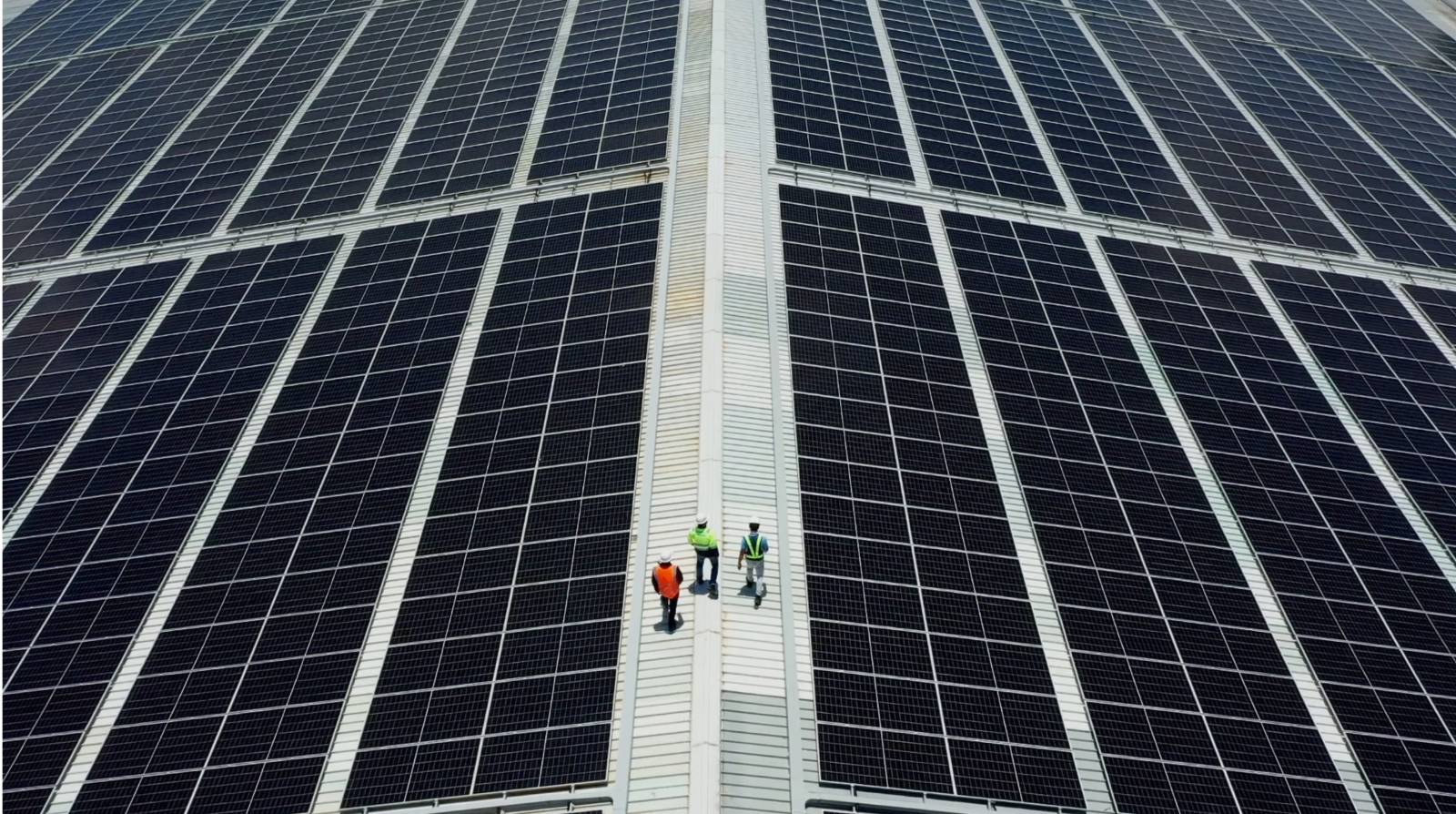
Behind these systems are dedicated teams ensuring smooth operations: from engineers and technicians to safety officers and control room specialists. Advanced monitoring systems, such as SCADA, help teams track performance in real time and respond quickly to changes.
What affects solar power generation?
Solar energy production depends on several natural factors:
- Sunlight intensity (irradiance)
- Length of daylight hours
- Temperature (cooler conditions are more efficient)
- Weather conditions, such as cloud cover and rainfall
- Dust and dirt that may accumulate on panels
In the Philippines, solar farms typically produce more energy during the dry season (November to May), when skies are clearer. Output may decrease during the rainy season (June to October) due to cloud cover and typhoons.
Solar power shows how innovation and sustainability can work together to support the country’s growing energy needs. As more projects like the FDCUI’s solar farm, these facilities will continue to play a vital role in delivering clean, reliable electricity, helping power communities while building a more resilient energy future.