Cooling a home is one thing. Keeping a large office district comfortable while managing energy use and cost requires planning on an entirely different scale.
Filinvest shows exactly what that entails.
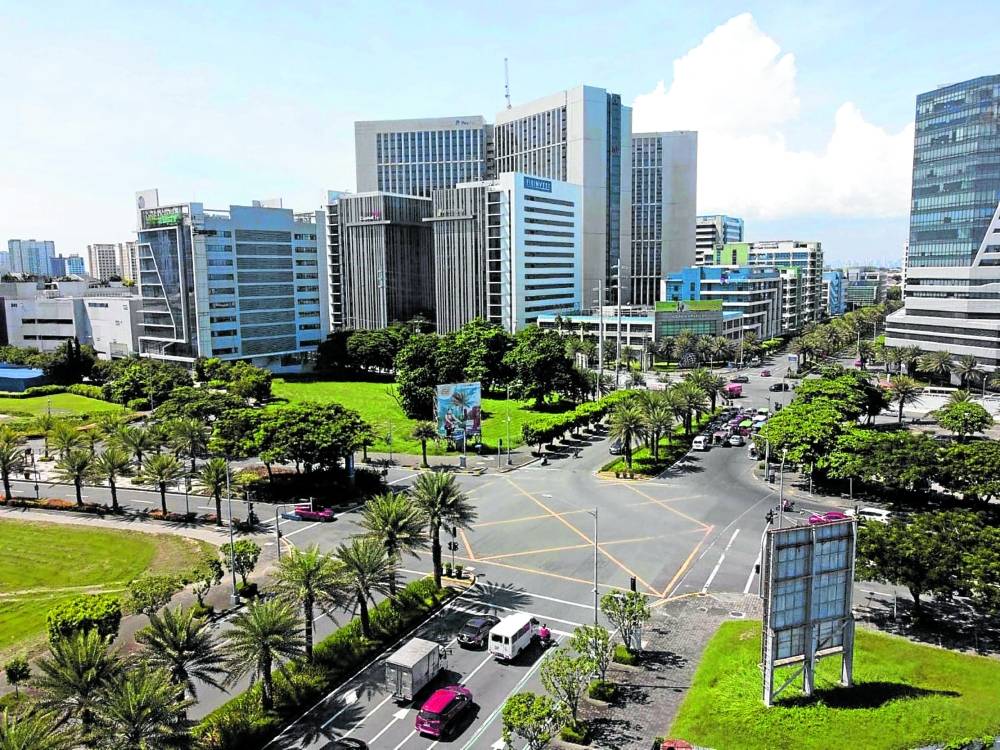
Filinvest City is home to one of the country’s first and largest District Cooling System or DCS, a vital shared infrastructure servicing a cluster of headquarters and BPO offices at Northgate Cyberzone.
DCS, explained simply, is a centralized water-cooling plant from where chilled water flows through connected pipes to keep not just one, but multiple buildings cool.
Unknown to many, its impact on energy savings is anything but insignificant.
“In a tropical country like the Philippines, cooling is one of the biggest energy consumers across commercial and large-scale infrastructure. Depending on the building type, air-conditioning can account for up to 80 percent of total electricity consumption. Reducing that by at least 30 percent through a globally tried and tested system like a DCS could translate to billions of pesos in savings,” explained Engr. Jonathan Urbano, general manager of Philippine DCS Development Corp. (PDDC).
A joint venture between Filinvest Land Inc. (FLI) and ENGIE Services Philippines, PDDC invests, designs, builds, operates and maintains district cooling and stand-alone cooling systems.
Across its operations since 2015, PDDC has saved 120,000 megawatt-hours of energy and avoided 84,000 tons of carbon dioxide emissions. These savings reflect the broader role PDDC has taken on beyond operating a cooling system.
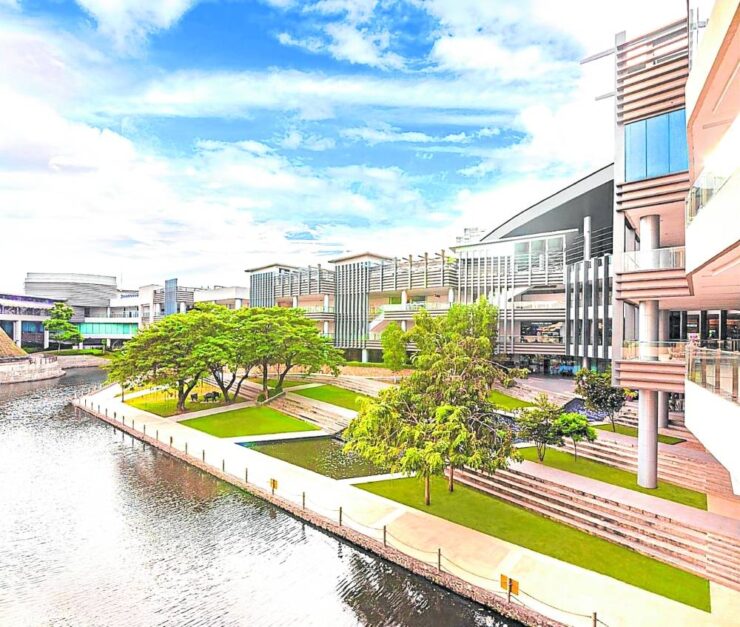
Today, its portfolio has a combined cooling capacity of 27,600 tons of refrigeration, serving 16 buildings within the Northgate Cyberzone, as well as major developments including Festival Mall, Entrata and PBCom Tower.
The results demonstrate what more efficient cooling can deliver. The stand-alone cooling system at Clark International Airport has achieved energy efficiency improvements of more than 40 percent.
Clark International Airport also provides an important demonstration of PDDC’s ability to operate cooling infrastructure in a large-scale facility with demanding operational requirements. As the airport’s district cooling operator, PDDC manages a system that needs to deliver reliable cooling around the clock in a high-demand environment.
For PDDC, cooling is only part of the equation. The bigger opportunity is to help buildings use energy more intelligently and efficiently. That opportunity becomes even more significant as developments grow.
“Scalability is one of the greatest advantages of district cooling. The infrastructure is designed to support long-term growth. As new office buildings, hotels, residential towers, retail facilities, or institutional developments are constructed, they can be connected to the existing network,” Urbano said.
“This allows developers to expand their projects without requiring every new building to invest in its own cooling plant. As the network grows, the system can become even more efficient because it benefits from a larger and more diversified cooling demand profile. District cooling is particularly well-suited for master-planned developments because it can grow alongside the community while maintaining operational efficiency and sustainability,” he added.
The benefits also extend beyond energy consumption. “By producing cooling centrally and serving multiple buildings simultaneously, we achieve economies of scale and optimize the use of valuable building space,” Urbano added. “The result is a more efficient, reliable, and sustainable way of cooling entire developments. Having demonstrated the viability and effectiveness of district cooling over the past nine years, PDDC is now poised to expand beyond the Filinvest ecosystem and deliver proven cooling efficiency solutions to the wider Philippine market.”
For developers, this can translate into more than lower operating costs. A shared cooling infrastructure can free up valuable building space, simplify operations and provide a system that can adapt as a development expands. Over time, these efficiencies can also contribute to the long-term value and attractiveness of both individual properties and the wider community.
“The cleanest and most affordable energy is the energy we never have to consume. Every kilowatt-hour saved is additional capacity for our nation, lower costs for businesses, reduced emissions for our environment, and a better future for our children,” says Amb. Joseph M. Yap, chairman of the board and president of PDDC.
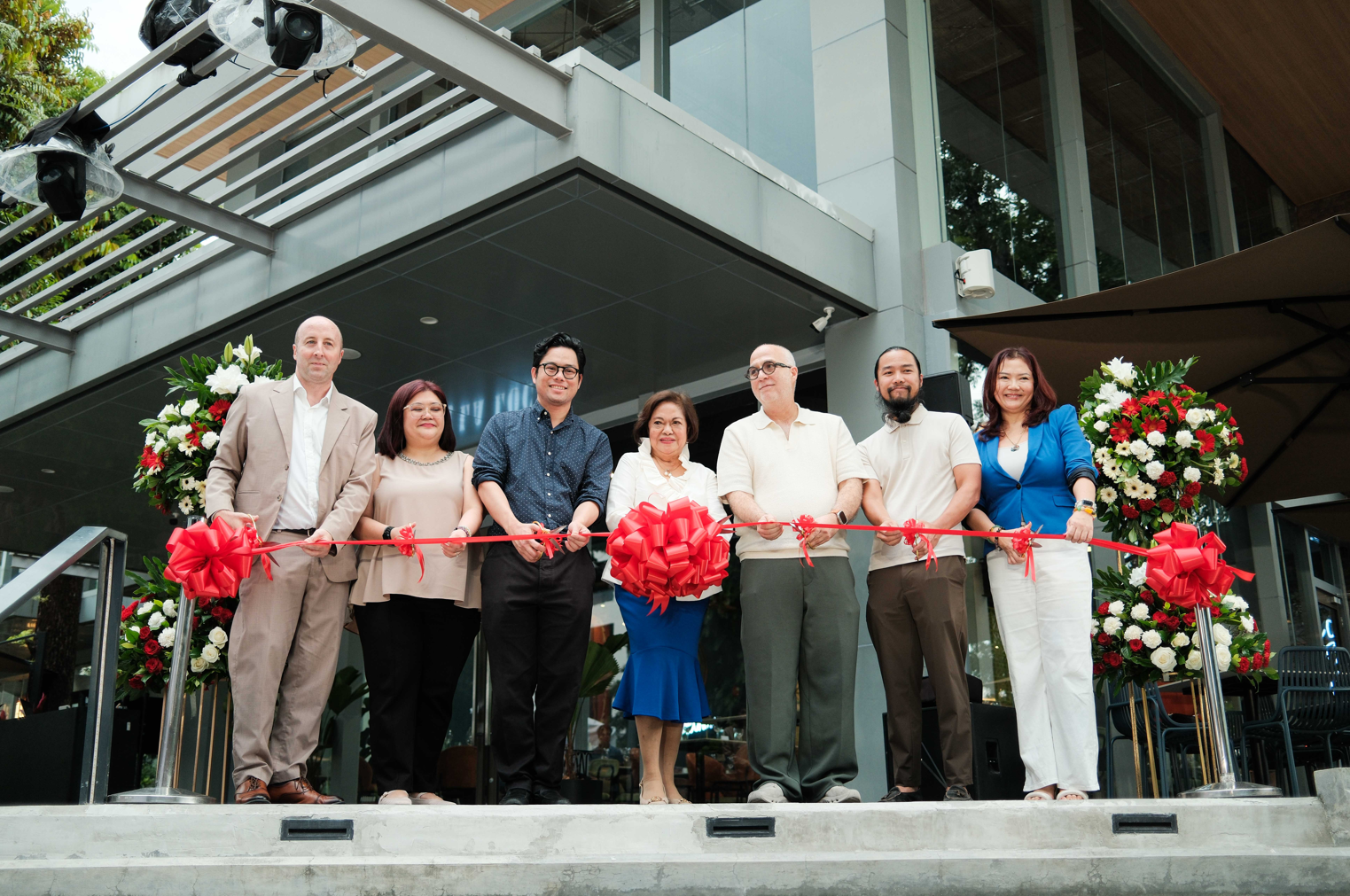
As PDDC expands its role from cooling system operator to energy-efficiency project developer, it recently received a Certificate of Registration by the Department of Trade and Industry and the Board of Investments (BOI), becoming the Philippines’ first registered Third-Party Project Developer for a Complex Energy Efficiency Project to receive fiscal incentives under the CREATE MORE Act.
The registered project involves a more than P400-million comprehensive upgrade of Festival Mall’s cooling systems, which is expected to deliver around 36 percent energy savings, which amounts to approximately 168 gigawatt-hours (GWh), and is equivalent to avoiding about 118,040 metric tons of carbon dioxide (CO2) emissions. In practical terms, the annual energy savings would be enough to power approximately 1,581 households, demonstrating how improving the efficiency of one major building system can create significant benefits at scale.
Ultimately, for PDDC, that is the bigger promise of district cooling: Not simply to cool more buildings, but to help entire communities use energy better and become more efficient, sustainable and future-ready.